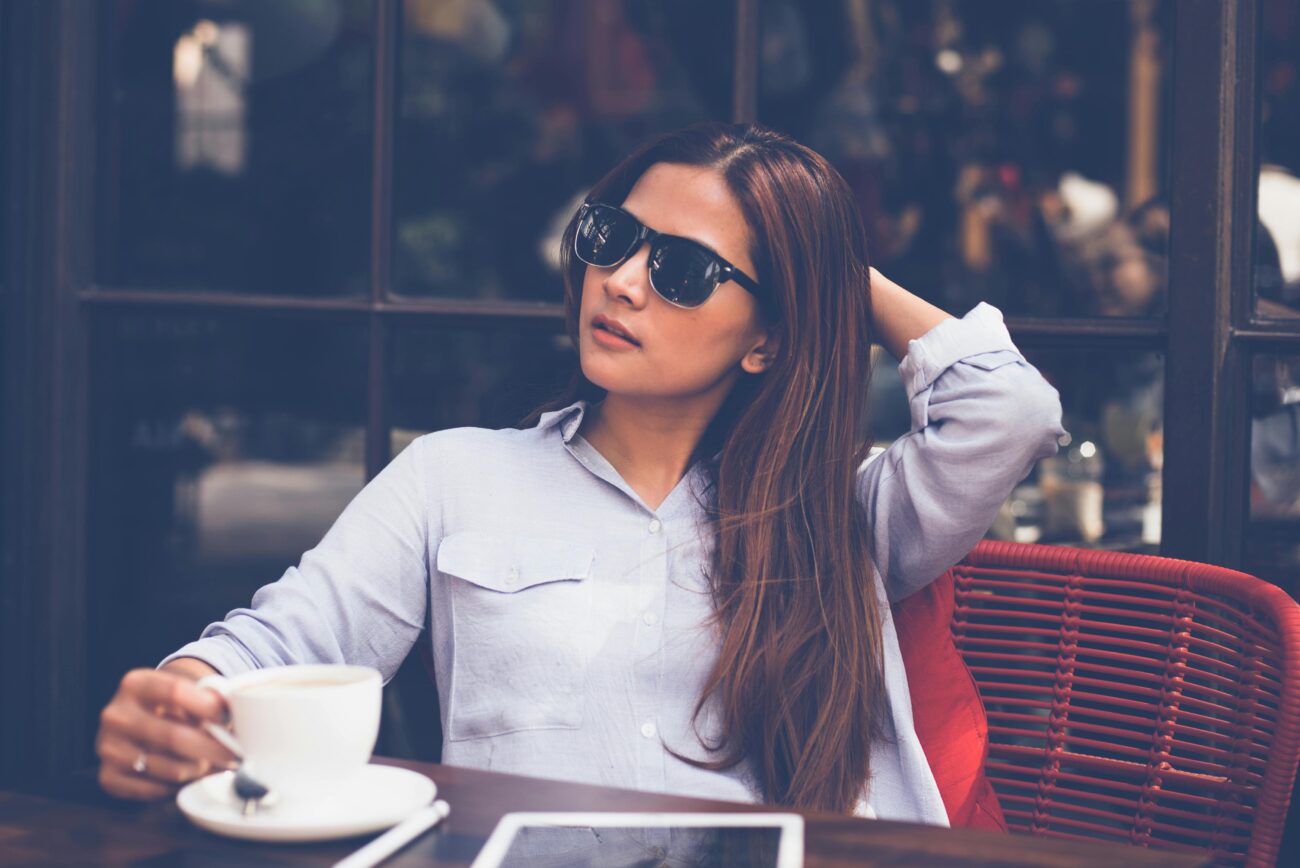
You don’t really want the coffee. You want the morning Rituals.
You want that first sip that tells your brain, we’ve started. You want the quiet moment where your day feels like it has a shape. The mug matters, but not because it holds liquid. It matters because it holds a feeling: control, comfort, identity, a tiny reset button you can press every day.
That’s the thing we rarely admit: most products that win long-term aren’t bought for utility. They’re bought because they become ritual objects. They turn into small ceremonies, repeatable, personal, soothing—and once something becomes a ritual, it’s no longer just a purchase. It’s part of your life.
A product is a thing. A ritual is a moment you can return to.
A product solves a problem. A ritual solves a mood.
When people say, “I love this brand,” they often mean, “I love the way this fits into my day.” The brand becomes a predictable scene in an unpredictable life. And humans are hungry for predictable scenes. We pretend we want novelty, but we emotionally rely on repetition. Repetition is safety. Ritual is safety with meaning.
That’s why the most “ordinary” products can become deeply loved if they attach themselves to a daily rhythm. Tea, perfume, skincare, notebooks, running shoes, playlists, a specific pen, even a certain app you open before sleep. On paper these are small things. In life, they become anchors.
Rituals are identity without effort
Rituals quietly tell us who we are.
If you journal every night, you start believing you’re reflective. If you run in the morning, you start believing you’re disciplined. If you do skincare, you start believing you’re someone who takes care of themselves. The product is the tool, but the identity is the reward.
And the beautiful part is that rituals don’t demand big transformation. They offer small proof. Every repetition is a tiny receipt that says: See? This is you. That’s why ritual products stick. They’re not one-time wins. They’re daily self-confirmations.
Ritual is what you do when the world feels too big
When life gets noisy, people don’t always seek information. They seek routines.
Rituals reduce uncertainty. They help you feel like you have at least one corner of your day under control. That’s why rituals spike during stress. People brew tea, light candles, go for walks, clean their desks, make playlists, reorder the same meal, open the same app, watch the same comfort show. It’s not about the object. It’s about regulation.
So when a brand becomes part of a ritual, it’s not competing with other brands anymore. It’s competing with the person’s emotional stability. That’s a very hard thing to displace.
Products get compared. Rituals get protected.
This is where “why rituals matter” becomes obvious. Products live in spreadsheets. They get compared on price, features, and alternatives. Rituals live in the nervous system. They don’t get compared easily because they’re not just functional, they’re familiar.
A person might switch phone brands after a lot of thinking. But they rarely switch the coffee they drink every morning if that coffee is tied to their sense of “start.” They rarely switch the notebook they love if it’s tied to their thinking process. They rarely switch the scent they wear if it’s tied to how they want to feel in the world.
Rituals are sticky because they feel like home.
Rituals are small theatre and humans love theatre
Rituals have steps. Steps create meaning.
Pour. Stir. Apply. Light. Open. Press play. Write the first line. Tie the laces. One action leads to another, and suddenly an ordinary activity feels ceremonial. That’s why packaging, texture, sound, and even “how it opens” matters. People don’t just consume; they perform. And performance makes memory.
A product with a satisfying ritual becomes something you look forward to. Not because of the outcome, but because of the process.
The hidden truth: we buy rituals to feel less alone
This one is quiet but real.
A ritual is a companion. It’s a reliable thing you do for yourself. For many people, their rituals are the only consistent “care” they receive. Morning coffee. Night skincare. A walk. Music. A candle. A journal. These are not luxuries in the emotional sense, they’re coping mechanisms dressed as lifestyle choices.
That’s why certain brands feel intimate. You don’t just “use” them. You meet them every day.
Also read: https://sociallistener.in/why-we-copy-each-other-more-than-we-admit/
The SocialListener takeaway (without making it sound like marketing)
If you want to understand why some brands become habits and others remain purchases, don’t ask: “What problem does this solve?” Ask: “What moment does this create?”
Because people don’t stay loyal to products.
They stay loyal to rituals that make life feel manageable.

One thought on “Why We Don’t Want Products, We Want Rituals”
Comments are closed.