
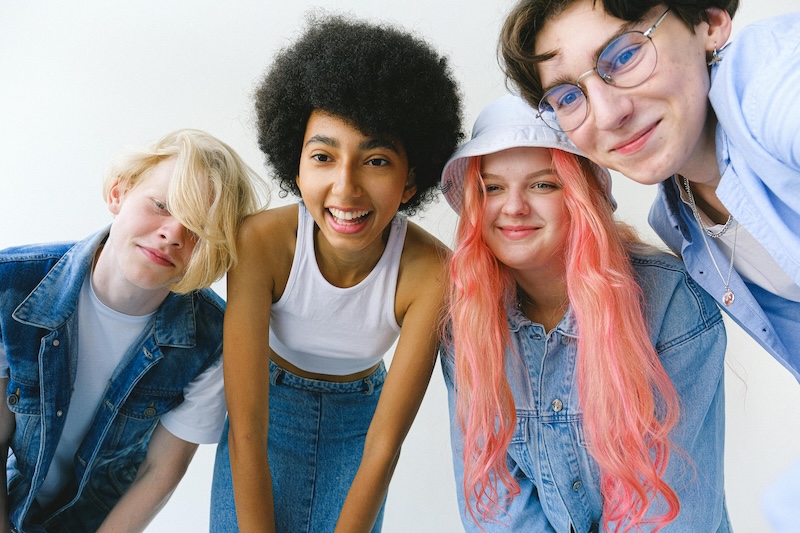
The “Sephora Kid” effect is a viral phenomenon involving Gen Alpha (children roughly ages 8–14) who have become obsessed with high-end skincare and makeup stores, specifically Sephora. Unlike previous generations who spent their “tween” years at stores like Claire’s or Justice buying glitter and lip gloss, Sephora Kids are bypasssing “age-appropriate” toys for luxury adult beauty products.
Over the past year, the term “Sephora Kid” has entered mainstream internet culture to describe Gen Alpha consumers, roughly between ages 8 and 14, who are showing intense interest in premium skincare and beauty brands typically designed for adults. What began as a retail curiosity has now become a wider conversation involving parents, dermatologists, lawmakers, brand managers, and cultural commentators. Reports from beauty media and retail workers describe children crowding Sephora stores, seeking out brands like Drunk Elephant, Glow Recipe, and Sol de Janeiro, and adopting routines that mirror older influencers online.
What makes the trend notable is not just that children are buying skincare, but the kind of skincare they want. Many are not looking for simple cleansers, lip balms, or beginner beauty products. They are asking for products built around retinol, exfoliating acids, vitamin C, peptide creams, and “glass skin” routines.
Dermatologists and pediatric skin experts have raised concerns that these ingredients are often unnecessary for young skin and, in some cases, may cause irritation, barrier damage, or stronger adverse reactions when used without guidance. The American Academy of Dermatology has specifically advised younger users to avoid anti-aging products unless medically required.
1. Why is it happening?
- The “Get Ready With Me” (GRWM) Culture: Kids are watching influencers in their 20s on TikTok and YouTube and mimicking their exact 10-step routines.
- Status Symbols: Brands like Drunk Elephant, Glow Recipe, and Sol de Janeiro have become the new “cool” badges of social standing in middle schools.
- Digital Maturation: Gen Alpha is the first generation to grow up with algorithms that don’t distinguish between a 10-year-old and a 30-year-old, serving the same high-end beauty ads to both.
2. The Controversy (The “Effect”)
The trend is highly controversial for two main reasons:
- Dermatological Damage: Many of these kids are buying products with Retinol, AHA/BHA acids, and Vitamin C. These ingredients are designed for aging skin; on young, sensitive skin, they can cause chemical burns, permanent scarring, and “cosmeticorexia” (an obsession with skin perfection).+1
- In-Store Behavior: The term “Sephora Kid” often carries a negative connotation among retail workers. There are thousands of viral videos from employees documenting kids “ransacking” stores, destroying expensive testers to make “skincare smoothies,” and being disrespectful to staff.+1
3. Notable Stats & Realities
- The “Sephora Bill”: In 2024 and 2025, lawmakers in states like California introduced bills (e.g., AB 728) to ban the sale of anti-aging products to minors under 18 without a parent. Read more https://www.cbsnews.com/news/california-sephora-kids-bill-skincare-concerns/
- Market Power: Despite the backlash, Gen Alpha spent an estimated $4.7 billion on skincare and makeup in 2023 alone.
- Brand Pivot: Some brands have suffered. Drunk Elephant saw a sales dip after adult customers abandoned the brand because it became “too associated with annoying kids.”
There is also a strong status dimension to the phenomenon. In many schools and social circles, certain beauty brands now function as markers of coolness in the same way that sneakers, gadgets, or fashion labels once did. The product is no longer just the product. It is a social signal.
The backlash has been strong enough to move beyond social media commentary. In California, lawmakers introduced Assembly Bill 728 in 2025, proposing restrictions on the sale of certain anti-aging skincare products to minors under 18 unless age was verified. Although the bill did not become law, its introduction signaled that the issue had moved from retail annoyance and parental concern into public policy discussion.
The phrase “Sephora Kid” now gets a negative edge in popular conversation. The term increasingly refers not only to a young beauty consumer, but to a new kind of algorithm-shaped shopper who approaches stores with the entitlement, fluency, and imitation patterns learned online.
The Sephora Kid Effect means to marketers
From a market perspective, the category is too significant to ignore. Industry data has shown strong ongoing growth in beauty, and younger consumers are now part of that momentum. U.S. prestige beauty sales reached $31.7 billion in 2023, according to Circana, and widely cited reporting estimated that children between ages 6 and 12 spent about $4.7 billion on beauty-related products that year. That level of spending helps explain why brands cannot simply dismiss the phenomenon, even when it creates reputational tension. Once a premium brand becomes too strongly linked to chaotic tween behavior, it risks losing some of its older aspirational customer base.
That is what makes the Sephora Kid effect such a revealing marketing case. The same cultural energy that drives visibility can also reshape brand perception in ways companies do not fully control.
For marketers, the deeper lesson is this: consumer development is no longer linear. The old sequence of child, tween, teen, and adult has been disrupted by platforms that expose younger users to adult-coded routines, products, and desires far earlier than previous generations experienced.
Gen Alpha is not waiting to grow into aspiration. It is consuming aspiration in real time. The Sephora Kid effect is one of the clearest examples of how the internet is compressing identity formation, turning products into social language, and eroding the cultural spaces that once separated childhood from adulthood.
This is really a story about the death of the tween phase. Childhood consumption is no longer being shaped mainly by age. It is being shaped by visibility, imitation, and the logic of the vibe economy.
This is identity-based marketing in play. The Sephora Kid effect shows that children are not buying skincare because they truly need it, but because of what those brands represent. Products from luxury beauty labels have become symbols of coolness, maturity, trend awareness, and belonging. The real appeal is not just the product itself, but the identity attached to it. In this case, skincare is being used as a way to express status, self-image, and aspiration at a very early age.
