You know that moment when you buy something and tell yourself it was your idea? Not influenced. Not manipulated. Just… a personal preference. Then you realize three friends bought the same thing. Or the same “aesthetic” suddenly appears everywhere. Or you catch yourself using a phrase you swear you never used before. That’s the funny part of being human: we want to feel original, but we’re built to be social. And social means we copy quietly, constantly, and often without noticing.
Copying isn’t a weakness. It’s a survival feature. Most of what we call “taste” is actually a shortcut. Most of what we call “choice” is actually a signal. We copy because it saves effort, reduces risk, helps us belong, and keeps us safe from being the odd one out. And the more uncertain the world feels, the more we copy—because uncertainty makes independent thinking expensive.
We copy because it lowers the cost of decision-making
Imagine making every decision from scratch: what to wear, what to eat, which phone to buy, which gym to join, which city to visit, which career move is smart. That level of independent evaluation is mentally exhausting. So we outsource. We let the crowd do the thinking first, and then we pick from what looks socially “approved.” It’s not laziness. It’s efficiency. In a world of infinite options, copying is a filter.
That’s why bestsellers sell more. That’s why “most popular” tags work. That’s why queues outside a restaurant are more powerful than the menu. When we see other people choosing something, our brain reads it as information: they must know something I don’t.
We copy because belonging is a human need, not a marketing trick
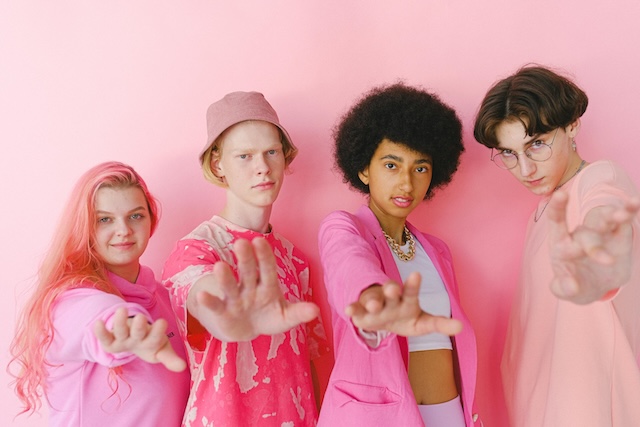
We don’t copy only because of utility. We copy because we’re social animals who fear isolation more than we admit. Even strong personalities copy—just more selectively. They copy the group they want to be associated with. Humans don’t just buy products. We buy “membership.” We buy subtle alignment: with a tribe, a class, a lifestyle, an identity.
That’s why people will defend their choices emotionally. Not because the product is perfect, but because the product has become a badge. When a choice becomes a badge, criticism feels personal. And once something becomes personal, people double down.
We copy because we’re scared of being wrong in public
The fear of being wrong privately is small. The fear of being wrong publicly is huge. Copying reduces social risk. If you choose what everyone else chose, and it disappoints, you don’t feel stupid. You feel unlucky. “Everyone recommended it.” The blame is diluted. That’s why people often prefer familiar brands even when better alternatives exist. Familiarity is a safety net.
It’s also why trends spread faster than quality. Quality needs time to be evaluated. Trends only need visibility.
We copy because we don’t copy exactly: we remix
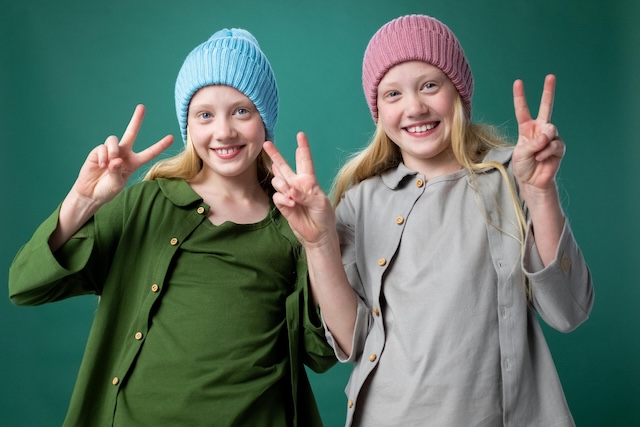
This is where the story gets interesting. Humans don’t copy like robots. We copy like artists. We take something and modify it just enough to feel personal. We don’t want to be identical. We want to be similar with a twist. Same shoes, different color. Same haircut, slightly different styling. Same idea, but with our “own perspective.”
That remix is how culture moves. It’s why fashion cycles. It’s why slang spreads. It’s why internet templates explode—because they’re designed for remix. A format that can be repeated with slight variation becomes a social virus.
We copy because the internet makes copying feel like discovery
Before the internet, copying required physical proximity. You copied your neighborhood, your school, your workplace. Now you can copy a stranger in another country who lives the life you aspire to. And because you “found” them yourself, it feels like personal discovery rather than social influence. That’s the illusion the algorithm gives you: you chose this. But often, it was placed in your path repeatedly until it felt like your own taste.
This is why aesthetics spread so quickly online. Not because everyone suddenly had the same preferences. Because everyone was fed the same inputs.
The part we don’t admit: copying is how we learn who we are
Sometimes we copy because we’re trying on identities. We’re not sure who we are yet in that area—style, career, fitness, relationships, taste. So we borrow. We test. We see how it feels. Copying is a way to experiment without committing. It’s training wheels for identity.
Eventually, some borrowed things stick and become “you.” Others fall off. But the process is the same: we copy first, then we edit, then we claim it as personal.
So what’s the real takeaway?
Copying isn’t the opposite of originality. It’s the path to it. People become original after they’ve absorbed enough patterns to know what they want to keep and what they want to reject. The danger isn’t copying. The danger is copying unconsciously living on autopilot inside other people’s preferences.
And if there’s one thing worth doing in the attention economy, it’s this: pause occasionally and ask, did I choose this… or did I inherit it? That one question alone makes you more original than most.
Also read https://sociallistener.in/why-some-brands-become-culture-and-most-dont/

2 thoughts on “Why We Copy Each Other More Than We Admit”
Comments are closed.