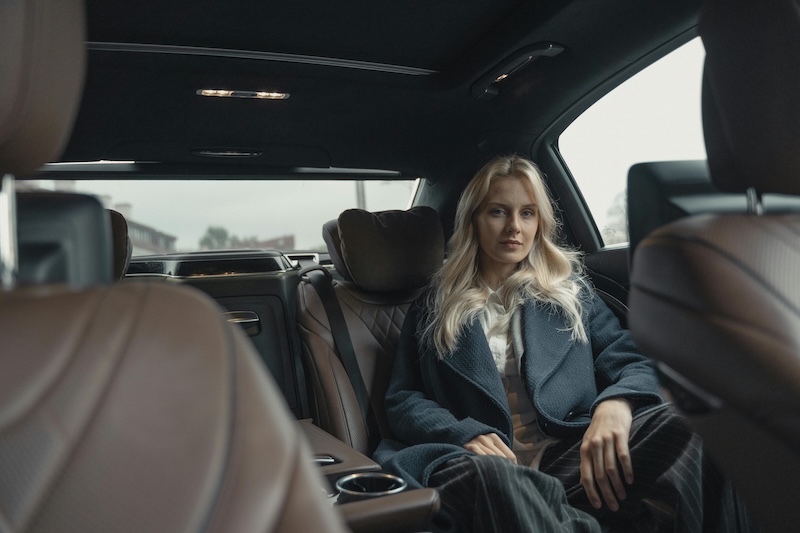
At first, both looked like aesthetics. “Soft life” showed up as slower mornings, fewer notifications, cleaner boundaries, more rest, and an almost defiant commitment to ease. “Quiet luxury” showed up as muted colors, no logos, better fabrics, and the kind of taste that doesn’t announce itself.
But they didn’t spread like fashion trends. They spread like relief.
Because beneath the visuals, both movements are answering the same emotional question: How do I feel safe in a world that feels loud, fast, and uncertain?
“Soft life” originally grew out of Nigerian influencer culture as a rejection of hustle culture and the expectation that life must be hard, especially for Black women, and then traveled globally through social media. Quiet luxury, meanwhile, became a mainstream obsession around 2023, tied to the “stealth wealth/old money” vibe, and got a pop-culture boost through shows like Succession (and the broader cultural appetite for understated status).
What’s important is why these landed so hard.
1) They’re not trends, they’re nervous-system strategies
Soft life is basically a public vocabulary for emotional regulation: less strain, more peace, fewer unnatural pressures. It’s not “I don’t work.” It’s “I refuse constant stress as a personality.” Quiet luxury is similar—just expressed through objects and signals: calm colors, timeless shapes, quality, fewer attention-grabbing logos.
In uncertain times, people don’t only want new things. They want stability cues.
2) They reverse the old status game
For years, status was loud: logos, flexing, visibility. But visibility is risky now. It invites judgment, envy, memes, and scrutiny. Quiet luxury flips the script: the signal becomes privacy. Understatement becomes power. Taste becomes a password.
Soft life does the same in a different arena. It makes “rest” and “ease” a status symbol. Not because rest is lazy, but because rest is increasingly scarce.
3) They offer dignity after burnout
Soft life is, in many ways, a cultural correction to the “girlboss/hustle” era, where productivity became morality and exhaustion became proof. When people realize the grind doesn’t always lead to security, they stop worshipping struggle. They start worshipping sustainability.
Quiet luxury is the wardrobe version of the same move: less chaos, fewer regrets, fewer “fast decisions.” Buy fewer pieces, buy better pieces, opt out of trend panic.
4) They are “I’m safe” signals, not “I’m rich” signals
This is the core emotional engine.
- Soft life says: my peace matters.
- Quiet luxury says: my confidence doesn’t need approval.
Both are forms of self-protection against noise, against judgment, against instability.
5) They spread because they’re easy to imitate (and easy to project onto)
A movement becomes mass when it’s “copyable.” Soft life can be copied with routines, boundaries, slower living aesthetics. Quiet luxury can be copied with neutrals and silhouettes, even without the price tag. That makes them viral. And because both are vague enough, people can project their own meaning onto them: healing, status, discipline, reinvention, control.
The tension most people don’t say out loud
Soft life and quiet luxury also reveal a social divide: it’s easier to “go soft” when you have resources, flexibility, and safety nets. That’s part of why these became emotionally charged, because they’re not just aesthetics, they’re conversations about labor, pressure, and who gets to breathe.
Conclusion
Soft life and quiet luxury didn’t become movements because they look good. They became movements because they feel good, like emotional shelter.
Also Read: https://sociallistener.in/why-luxury-is-often-about-safety-not-style/
They are both quiet rebellions against a world that demands performance: the performance of productivity, the performance of wealth, the performance of being “fine.” And whether expressed through mornings or wardrobes, both are trying to answer the same need:
Let life be lighter. Let me be unbothered. Let me feel safe.
