
Last year, I left the city I had lived in for years and moved to small city in the foothills of himalays called Dehradun. I didn’t move for strategy, opportunity, or some grand life plan. I moved because I needed quiet. I needed a place that didn’t demand constant performance. And I discovered something I didn’t expect: small-town life has a different kind of safety built into it.
The café here knows me. Not in a transactional, loyalty-program way but in the way where someone asks how you are, and actually waits for the answer. The people at the neighborhood grocery store recognize me. The same faces show up again and again. The roads are slower. Nature is close. Everything I really need is within fifteen minutes. And when you feel alone truly alone those tiny interactions matter more than anyone admits. They become a soft routine your mind leans on.
Remote work makes life efficient, but it also quietly removes touch. Fewer offices. Fewer shared spaces. Fewer “bumped-into-you-by-accident” relationships. In that vacuum, local places start functioning like emotional anchors. You sit at the same café. You see familiar people. Someone notices when you’ve been gone for a week. No brand playbook can teach that. It only comes from proximity and the unspoken rule that reputation travels fast in smaller places, so people try harder to be decent.
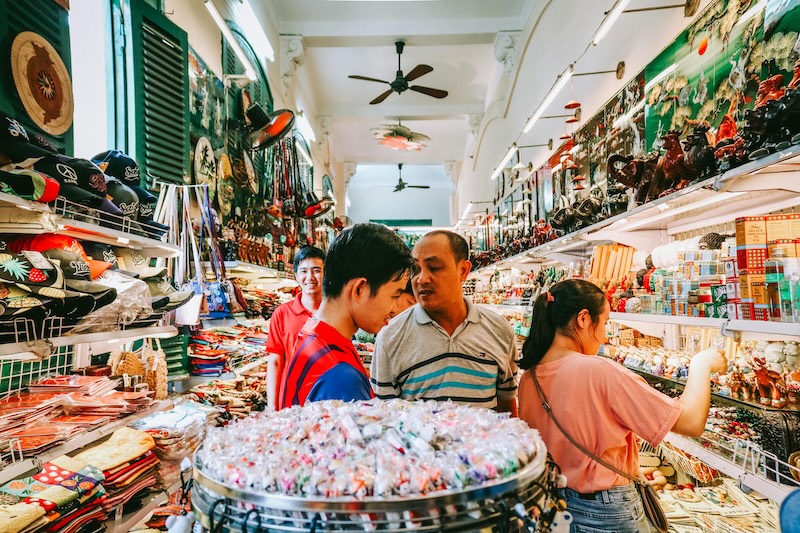
And that’s when it clicked for me: this isn’t only about geography. It’s about how local businesses feel different. They don’t pretend to be perfect. They don’t hide behind three pages of policy text. They fix things because they have to live with you tomorrow. The café remembers your order. The small clothing store actually cares if the stitching comes loose. The neighborhood restaurant quietly puts in extra effort, not for “customer delight metrics,” but because your lives overlap.
You’re not just buying things.
You’re buying belonging, in small, everyday installments.
When you start noticing this feeling at a personal level, you can’t unsee it in how people shop. Local isn’t about being trendy or earthy or morally superior. It’s simpler than that. Local feels like someone is answerable.
A local business exists inside the same weather, roads, rules, and inconveniences as you do. They’re not abstract. They can’t vanish behind layers of forms and escalation emails. And because they live in the same town where their customers live, they carry a quiet discipline: don’t disappoint the neighborhood. Reputation here doesn’t travel through PR teams. It travels through conversations. That’s why local businesses often show up with a kind of unpolished honesty. They may not have flashy branding but they have presence. They fix things. They remember faces. They don’t outsource empathy.
And as strange as it sounds, all of this has become even more important in a world that is supposedly “connected.” We’ve never talked this much with people online, and yet genuine proximity has become rare. Remote work allows freedom, but also removes those accidental, everyday social touches, the colleague at the coffee machine, the vendor you greet every morning, the walk to a lunch spot you’ve gone to for years.
So when a local café recognizes you, or a shopkeeper waves at you across the street, your brain treats that as reassurance: I exist here. I belong somewhere. This is not about nostalgia. It’s about sanity. Local becomes a soft structure that holds you, quietly, without demanding anything in return.
And then, when you step back from these small emotional details and look at the data, you realize this isn’t just a personal comfort story, it’s an economic one. Communities that keep money circulating inside themselves grow stronger and less fragile. Jobs stay, relationships form, people trust each other a bit more. Local doesn’t just feel better. In many ways, it actually works better.
Key Statistics on the “Buy Local” Advantage
Money Stays Local:
For every $100 spent at a local business, an estimated $48 to $73 is recirculated back into the local economy, compared to only about $14 from a national chain store.
Job Creation:
Small, locally owned businesses are significant employers, creating 62% of all net new private-sector jobs since the Great Recession, and they employ more people per unit of sales than large retailers. A study in northeastern Ohio estimated that meeting just 25% of regional food demand locally could create over 27,000 new jobs.
Sales Growth:
Businesses in communities with an active “buy local” campaign reported a sales increase of 7.4%, nearly double the 4.2% gain for those in areas without such initiatives.
Consumer Preference:
88% of mobile local searches lead to a store visit within 24 hours, indicating a strong consumer desire for immediate, local options. Over 63% of consumers prefer to buy from a company they consider authentic.
Tax Revenue:
Local businesses often generate a more positive net fiscal result per square foot than big-box retailers, contributing more in public revenue through property and sales taxes relative to the public services they require (like infrastructure costs).
Charitable Giving:
Local businesses donate to community charities and non-profits at a significantly higher rate than large national corporations, further investing in the community’s social well-being.
When you absorb numbers like these, “buy local” suddenly stops feeling like a soft, idealistic slogan and starts looking like a quiet economic strategy. It builds ecosystems instead of pipelines. It keeps decision-makers inside the places affected by their decisions. It multiplies value rather than extracting it.
Where Local is Winning First
The categories where this shift shows up most clearly are the ones closest to the body and home: food, beverages, skincare, wellness, and everyday comfort products. A local bakery or beverage brand can experiment faster, respond to taste preferences quicker, and create products that feel culturally and emotionally specific. Regional beauty brands can tailor ingredients to local climate and skin realities in ways global templates can’t.
And then there’s the rise of private labels and store brands which, psychologically, often feel “local” because they’re tied to a familiar retailer. They signal:
“We stand behind this. If it goes wrong, come to us.”
That sense of accountability is priceless.
Amazon now reports that over 60% of its store sales come from independent sellers, many of them small or regionally rooted businesses. They’ve created dedicated “Support Small” and “Local Makers” sections, and in countries like India they actively encourage “vocal for local” discovery. Their infrastructure is global but the stories they surface are often intensely local.
The same thing is playing out on TikTok Shop, Shopee, MercadoLibre, and dozens of regional marketplaces. The interface is global. The seller on your screen? A jeweller in your city. A coffee roaster in your state. A small apparel label two neighborhoods away. Technology hasn’t killed “local.” It has actually given local a megaphone.
This is also where marketing enters the story and often misunderstands it completely. Traditional marketing still imagines the buyer sitting with comparison charts, hunting for the “best deal.” But the modern buyer is navigating something else entirely: uncertainty, fatigue, and fear of regret.
They aren’t always asking, “Which product is superior?” They are increasingly asking, “Which choice feels safe?” Local, or brands that behave like local, answer that question almost instinctively. They show human faces, real voices, and real accountability. They talk less about domination and more about care. They don’t shout, “We’re the biggest.” They imply, “We’re here, and we’re not going anywhere.”
The lesson for bigger brands is not to fake being small. That always shows. The real lesson is to shorten emotional distance. Be present in real communities. Hire locally. Tell stories grounded in real lives. Fix things like a neighbor, not like a ticketing system. Show how money flows, who benefits, and who stands behind the promise. The brands that do this don’t just sell more they become trusted companions in people’s everyday decisions.
And maybe that’s the quiet truth sitting underneath all of this. Buying local is rising not because it’s fashionable, but because it restores something people deeply miss: feeling seen, feeling anchored, feeling like our choices actually connect to real people and real places.
In big cities, you can live ten years and never learn your neighbor’s name. In smaller communities, one shopkeeper remembering your story can make the whole place feel like home. When life becomes fragile loss, distance, dislocation those simple connections start holding you together.
So yes, “buying local” is becoming a competitive advantage. But more than that, it is becoming a way to rebuild meaning in everyday transactions. We are not just choosing products anymore. We are choosing relationships. We are choosing where our money sleeps at night. And quietly, almost without announcements or campaigns, more people are deciding that the safest, most human place for it to live… is closer to home.

One thought on “Why Buying Local Is Quietly Becoming a Competitive Advantage”
Comments are closed.