We’re not just living life anymore. We’re performing life for validation, belonging, and proof that we exist.
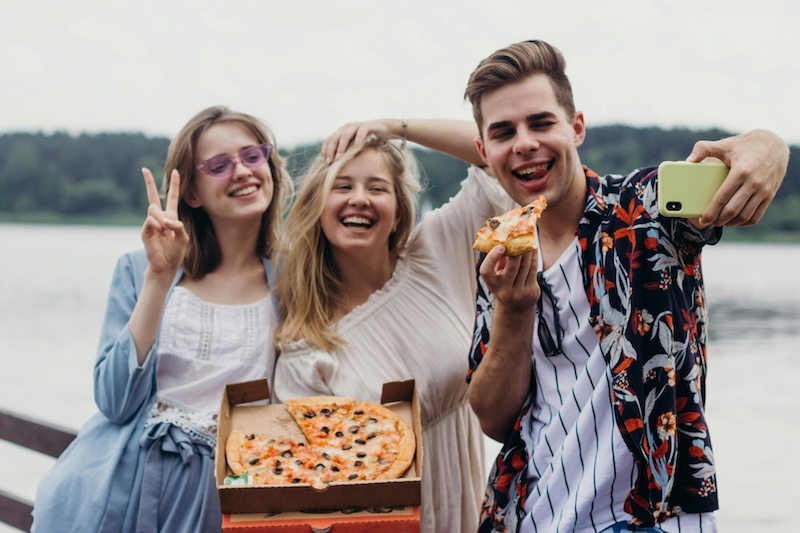
I’ve been noticing something everywhere, cafés, airports, tourist spots, even quiet dinners with friends. People don’t simply experience moments anymore. They capture them, rehearse them, perform them. A coffee is no longer just a coffee; it’s content. A vacation isn’t a break; it’s a proof-of-life reel. Somewhere along the way, we stopped living life, and started performing it, as if every moment needed an audience to feel real.
Life as Validation
We are wired to belong. That instinct is ancient. But today, belonging looks different. It looks like likes, comments, and views. If others visited a restaurant, we want to go. If everyone is traveling somewhere, suddenly it becomes “the” place. We copy experiences not because we consciously want them, but because those experiences come pre-approved by the crowd. And approval now feels like oxygen. We live in a silent loop: they did it → it looked admired → I must do it too.
Life as Identity Performance
The internet turned identity into something public, curated, and constantly adjusted. We don’t just show what we do, we show who we want to be seen as. The traveler. The foodie. The hustler. The mindful soul. So we pose, frame, retake, refine. Not to fake life, but to optimize it. To make it look coherent, intentional, attractive. Slowly, life becomes something we manage instead of something we inhabit. And the scariest part is: we don’t even notice the shift while it’s happening.
Life as Proof of Existence
Maybe the deepest force underneath all of this is something very human: the desire to matter. When a moment is posted, it feels permanent. Witnessed. Saved. A life that is seen feels more “real” than a life only lived privately. So we rush to document instead of dwell. We stand at sunsets thinking about angles instead of silence. We attend concerts watching the screen instead of the stage. The experience becomes secondary; the record of the experience becomes primary.
What This Means for Marketers
We’re building products and campaigns in a world where people don’t just use things they perform with them. That changes everything.
People choose experiences they can show, not only experiences they can enjoy. They look for brands that help them signal identity, status, taste, belonging, and meaning. When something is easy to photograph, easy to talk about, easy to share, it travels faster than anything paid media can buy.
But this comes with responsibility.
The goal isn’t just to make “Instagrammable moments” or chase viral loops. It’s to design experiences that are genuinely worth remembering and happen to be worth sharing. Build places that bring people together. Create products that make them proud of themselves, not insecure. Invite people to participate, not just promote.
Because when we build for performance alone, we deepen comparison.
When we build for connection, we create loyalty.
The brands that win in this era will be the ones that understand a simple truth:
People don’t just want attention
they want to feel seen, safe, included, and part of something real.
Help them feel that and they’ll share your story for reasons that go far beyond algorithms.
But beneath the algorithms and trends, I keep asking myself something simple: at what cost? If everything is performed, what happens to the quiet parts of life, the unshared conversations, the imperfect attempts, the private joys that don’t make sense on camera? Are we losing something essential in our rush to be seen?
Maybe the answer is not to reject the online world, but to stay awake inside it. To notice when a moment is worth living without proof. To remember that belonging doesn’t always need witnesses. And to remind ourselves that we don’t need an audience to exist. Because life, at its best, is still something you feel, not something you post.
If you’re navigating similar questions inside your organization, I’m happy to exchange notes.
